

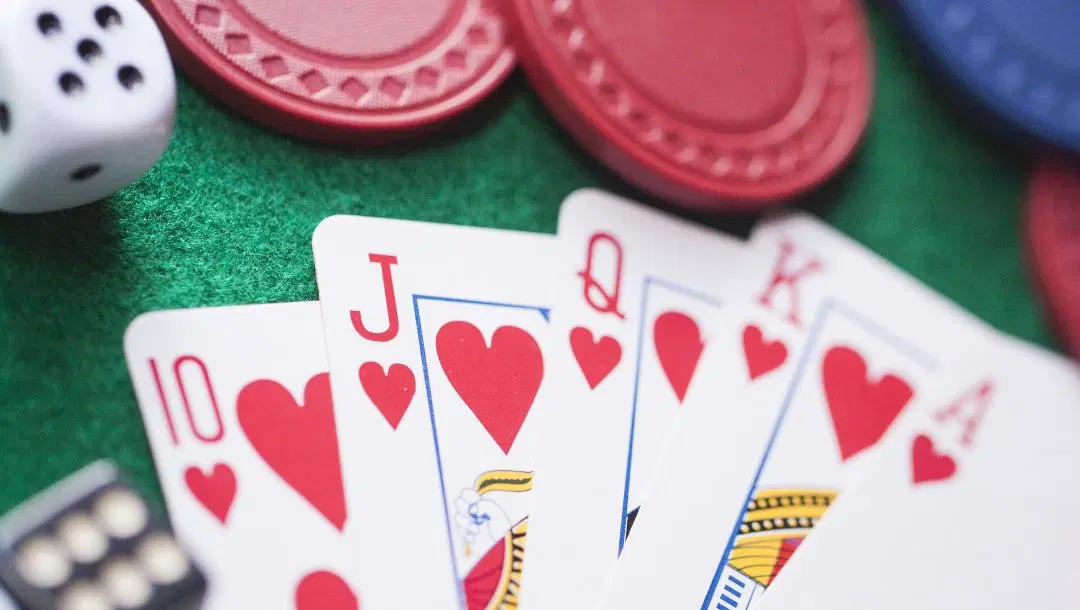
Introduction: A Game Beyond the Cards
Poker is more than a card game. It is a study of human nature, a theatre of strategy, and, for many, a test of nerve unlike any other. From the smoky backrooms of Wild West saloons to the bright lights of Las Vegas and the silent tension of online tournaments, poker has endured centuries of evolution without losing its core appeal. Its rules are simple enough to learn in an evening, yet its mastery can consume a lifetime.
A Brief History: From Persian Roots to Global Phenomenon
Poker’s precise origins are the subject of debate, but many historians trace its ancestry to As Nas, a Persian card game from the 16th century. European immigrants later refined and transported elements of this game to the United States, where it gradually took the form we know today.
By the early 19th century, poker had established itself on Mississippi riverboats, where traders and gamblers alike found its blend of bluffing and betting irresistible. As the game spread westward during the Gold Rush, it took root in frontier towns and saloons. The 20th century brought further transformation. The World Series of Poker, founded in 1970 in Las Vegas, transformed poker from a pastime to a professional pursuit, turning ordinary players into legends.
Today, with online platforms and televised tournaments, poker has become a truly global game. Millions now play daily—some for pennies, others for millions.
Understanding the Game: Rules and Variations
At its heart, poker is a simple contest: win the pot by having the best hand or convincing others you do. Yet within this simple premise lies an entire universe of variations.
Most Popular Poker Variants:
-
Texas Hold’em: The king of modern poker, with two hole cards and five community cards.
-
Omaha: Similar to Hold’em but with four hole cards, requiring players to build their hand with exactly two hole cards and three community cards.
-
Seven-Card Stud: Once the dominant game before Hold’em rose to fame, with no community cards and seven cards dealt to each player.
-
Draw Poker: Players receive a complete hand and can discard and draw cards to improve it.
Despite their differences, all forms share key fundamentals: betting rounds, hand rankings, and the strategic dance of bluffing and reading opponents.
Skill vs. Chance: The Balancing Act
Unlike games of pure chance, poker is defined by its balance between luck and skill. In the short run, even a novice can topple a seasoned pro thanks to the fall of the cards. Over thousands of hands, however, skill tends to prevail.
Great players master not only the odds but also psychology. They calculate probabilities instinctively while observing subtle cues—a hesitant bet, an unnecessary glance at chips, a shift in posture. This is the essence of poker: the cards matter, but the people matter more.
The Art of Bluffing: Deception as Strategy
Bluffing is poker’s most alluring and misunderstood element. Many outside the game believe poker is merely a matter of fooling opponents with audacious bluffs. The reality is subtler. Good bluffing is measured, selective, and context-driven. A reckless bluff is a quick road to ruin.
Effective bluffing relies on establishing a believable story. If a player’s actions make sense within the flow of the game, opponents will doubt their own strong hands and fold, ceding the pot to a weaker holding. The best players blend truth and deception seamlessly, so that even when caught bluffing, they leave opponents guessing on future hands.
Poker in the Digital Age: From Casinos to Screens
The turn of the 21st century saw poker undergo a seismic shift. Online poker rooms brought the game to anyone with an internet connection. The “Moneymaker Effect”—named for Chris Moneymaker, an amateur who won the 2003 World Series of Poker Main Event after qualifying online—sparked an explosion of interest worldwide.
Today, online platforms host everything from micro-stakes games for beginners to high-roller tournaments with millions in prize money.
Advantages of Online Poker:
-
Accessibility: Play from anywhere, at any time.
-
Variety: A wider range of stakes and game types.
-
Volume: Play multiple tables simultaneously to hone skills.
However, the digital arena lacks the visual tells of live poker, forcing players to adapt by analysing betting patterns, timing, and other subtle data points. Many modern professionals split their time between online and live play, using each to refine different aspects of their craft.
Cultivating a Winning Mindset
To excel at poker requires more than memorising odds or learning when to bluff. It demands emotional discipline. The best players maintain a cool head in the face of bad beats—those inevitable moments when good decisions yield bad outcomes.
Key Habits of Successful Players:
-
Patience: Fold more hands than you play; wait for the right moment.
-
Bankroll Management: Never risk more than you can afford to lose.
-
Adaptability: Adjust strategy based on table dynamics and opponent behaviour.
-
Continuous Learning: Review hands, study opponents, and embrace lifelong improvement.
Poker punishes ego and impatience. A single lapse in judgement or moment of tilt—emotional frustration—can undo hours of careful play. The true mark of a player is not just winning pots, but knowing when to step away.
Poker’s Enduring Allure
Why does poker remain so captivating? Because at its best, it reveals character. Players face moments of triumph, despair, boldness, and doubt—all within the span of a single session. The stakes may be chips, but the real game is played in the mind.
Poker is storytelling in real-time. Each hand unfolds like a plot: conflict, tension, resolution. Every decision writes another line in the narrative. And unlike many games, poker respects its players—rewarding the cunning, the patient, the observant.
Conclusion: More Than a Game
For those who have never sat at a poker table, it may seem like just cards and chips shuffled and bet in endless repetition. For those who know its depths, poker is an education in psychology, risk, and the art of human interaction.
It is a game that has outlasted trends and will continue to thrive—whether in glittering casinos, on quiet kitchen tables, or through the glow of a laptop at midnight. Poker reminds us that sometimes, life’s biggest lessons come from a deck of fifty-two cards and the courage to play them well.