

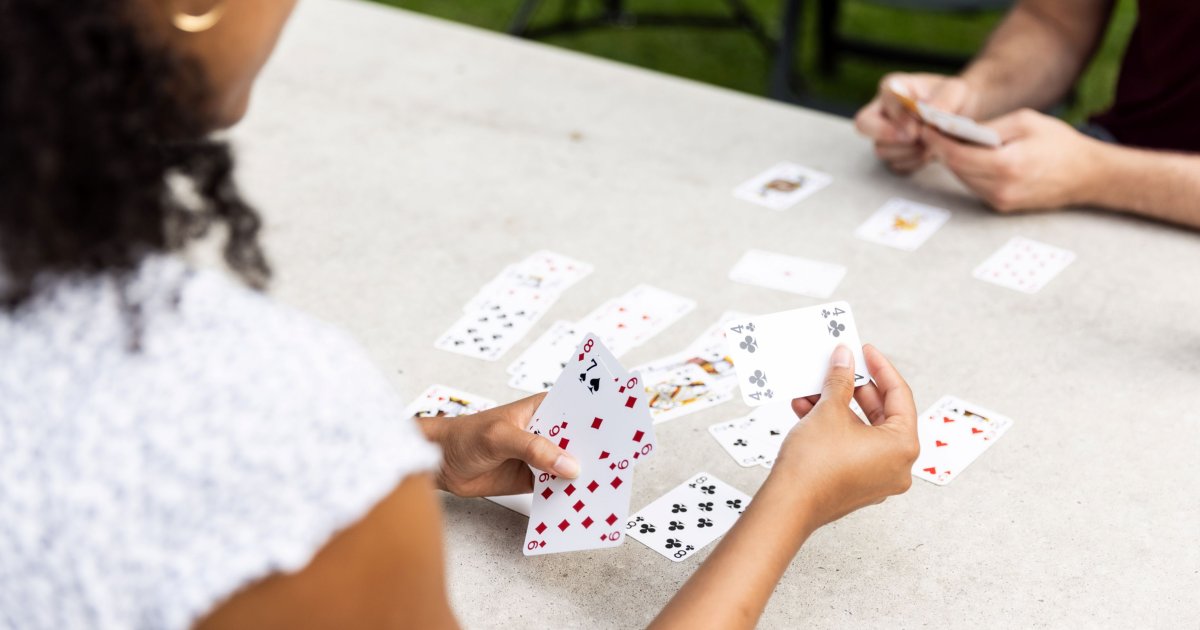
Long before the invention of video games, television, or even the printing press, traditional card games served as a universal pillar of human culture and entertainment. Across centuries and continents, a simple deck of paper or pasteboard rectangles has brought people together in taverns, royal courts, and family living rooms. Card games are far more than mere pastimes. They act as mirrors of societal values, artistic expression, and historical exchange. Tracing the trajectory of playing cards reveals a fascinating journey of invention, global trade, and cultural evolution that continues to shape modern leisure.
The Ancient Eastern Origins of Playing Cards
The historical roots of playing cards stretch far back into ancient Asia, with the earliest documented references originating in China during the Tang Dynasty. Historical records from the ninth century mention a game played with leaf-shaped sheets of paper, marking a dramatic shift from bulky gaming pieces like tiles or wooden blocks. These early Chinese card decks were closely tied to the invention of paper currency and served both as a medium for gambling and a reflection of financial systems.
As trade routes expanded across the Asian continent, playing cards traveled alongside silk, spices, and porcelain. Merchants, diplomats, and nomadic tribes carried these portable games into the Islamic world and the Mamluk Sultanate of Egypt. The Mamluk deck introduced structural elements that directly influenced modern cards, including suits like cups, coins, swords, and polo-sticks, alongside intricate geometric artwork that respected Islamic artistic traditions.
The European Arrival and Artistic Renaissance
Playing cards made their way into Europe during the late fourteenth century, entering through Italian and Spanish ports via trade with Islamic merchants. Europeans quickly embraced the new pastime, adapting the foreign suits to fit their own cultural frameworks. Cups and coins evolved into hearts and diamonds, while swords and polo-sticks transformed into spades and clubs, creating the standard suit symbols recognized across Western societies today.
The European adoption of playing cards coincided with a major technological leap. Before the invention of the printing press, decks were hand-painted by skilled artisans, making them luxury items accessible only to nobility and the wealthy elite. The introduction of woodblock printing and stencil coloring in the fifteenth century democratized the hobby. Suddenly, ordinary citizens could afford decks, turning card games into a widespread social phenomenon across taverns and village greens throughout Europe.
Cultural Symbolism and the Royal Court Decks
By the fifteenth century, French card makers standardized the design of the court cards, assigning specific historical and mythological identities to the king, queen, and jack of each suit. These figures were not chosen at random.
-
King of Spades: Traditionally associated with King David of Israel, symbolizing military strength and divine right.
-
King of Hearts: Representing Charlemagne, the historic ruler of the Frankish Empire and Emperor of the West.
-
Queen of Spades: Associated with Athena, the ancient Greek goddess of wisdom, war, and strategic skill.
-
Jack of Diamonds: Representing Ogier the Dane, a legendary hero from medieval French epic poetry.
This blending of history, folklore, and art transformed the standard deck into a moving canvas. Every time players dealt a hand, they were unknowingly engaging with centuries of European mythology and political symbolism.
Shaping Language, Law, and Social Etiquette
The cultural impact of traditional card games extends far beyond entertainment, deeply embedding itself into everyday language and legal history. Countless modern idioms trace their origins directly back to the felt table. Phrases like shuffle the deck, up the ante, play your cards right, and ace in the hole are now staples of professional and casual communication.
At the same time, governments throughout history viewed card games with suspicion, frequently attempting to regulate or ban them due to their association with gambling and social unrest. In colonial America and various European nations, authorities levied heavy taxes on playing card manufacturers. This tax enforcement led to unique innovations, such as the taxation ace in the British Empire, where the ace of spades featured a specialized stamp proving that the manufacturer had paid the required government duty.
Bridging Generations and Global Communities
Despite the digital revolution, traditional card games maintain an unshakable grip on human culture. From multi-generational family holiday traditions involving games like bridge and rummah to regional cultural pastimes like tarot, scopa, and durak, cards serve as social lubricants. They require face-to-face interaction, verbal negotiation, psychological reading, and shared laughter.
In a world increasingly dominated by isolated screen time, physical card decks remain remarkably resilient. They foster human bonds across age gaps, economic classes, and cultural divides, proving that the simplest inventions often possess the most enduring power.
Frequently Asked Questions
How did playing cards spread from Asia to Europe?
Playing cards traveled along trade routes, such as the Silk Road, and through Mediterranean shipping lanes, eventually arriving in Italy and Spain via the Mamluk Sultanate of Egypt during the late medieval period.
Why do standard playing cards feature 52 cards?
The standard 52-card deck evolved from historical adaptations of Eastern suits and structural groupings, which eventually standardized in France around the fifteenth century to match four distinct seasonal or royal motifs.
What role did woodblock printing play in the history of cards?
Woodblock printing allowed manufacturers to mass-produce decks cheaply and efficiently, transitioning playing cards from expensive hand-painted luxury items for royalty into affordable entertainment for the general public.
Why were card games historically banned or heavily taxed?
Authorities often banned card games to curb public gambling, debt, and tavern brawls, while governments imposed luxury taxes to generate state revenue from a widely consumed recreational product.
How did regional suit designs change when moving across cultures?
When cards moved from the Islamic world to Europe, suit symbols were adapted to match local cultural icons, changing Islamic cups, coins, and swords into European hearts, diamonds, spades, and clubs.
Are traditional card games still culturally relevant today?
Yes, traditional card games continue to thrive because they encourage face-to-face social interaction, bridge generational gaps, and serve as foundational elements of family traditions worldwide.