

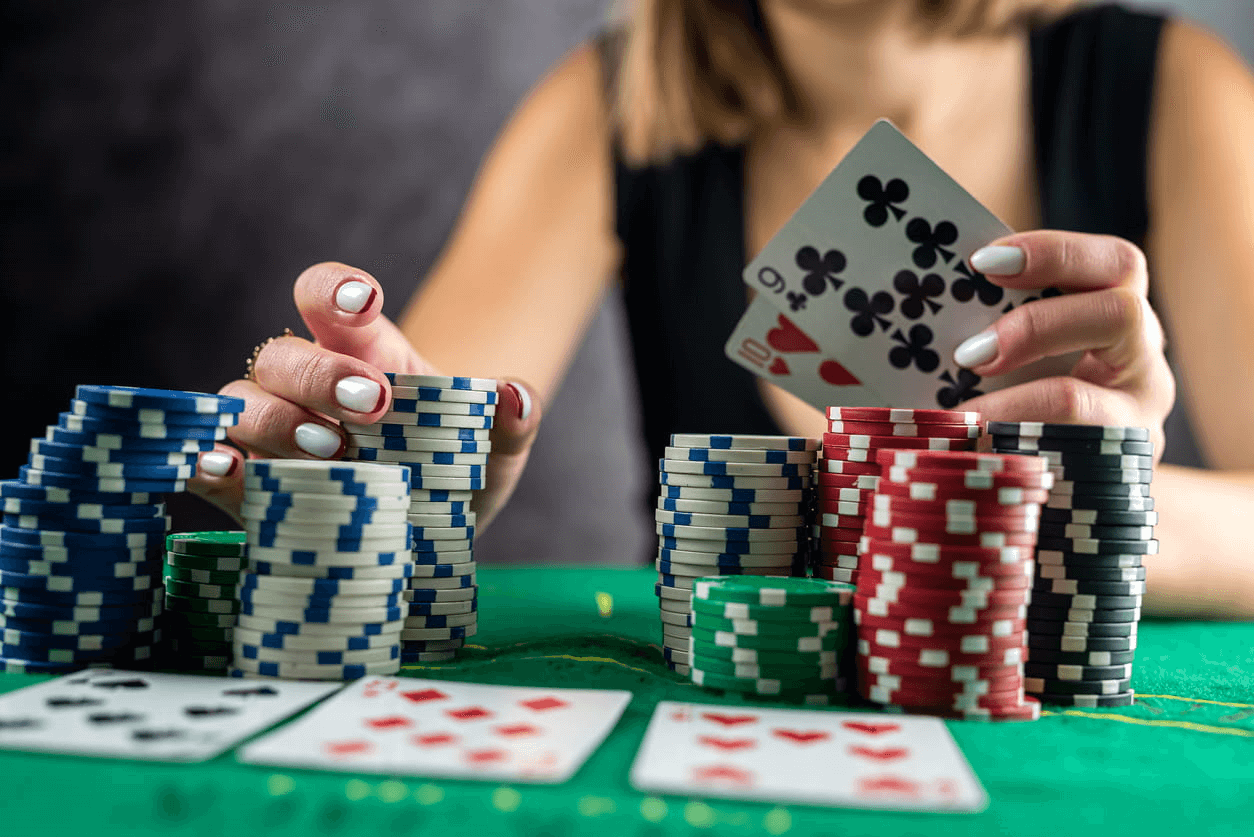
Human history is filled with risk-taking behavior. From ancient civilizations rolling carved knuckle bones to modern financial traders navigating volatile stock exchanges, humanity has an undeniable fascination with uncertainty and reward. Gambling, in all its various forms, taps directly into the deepest wiring of the human brain. It is not merely about financial gain or simple entertainment. Instead, gambling is a powerful psychological experience that manipulates our neurochemistry, cognitive biases, and emotional triggers. Understanding why our brains love risk reveals fascinating insights into human evolution, decision-making, and behavioral science.
The Neurochemistry of Reward and Dopamine
At the center of our obsession with gambling is dopamine, often misunderstood as the brain’s pleasure molecule but more accurately described as the molecule of anticipation and motivation. Dopamine surges not just when we receive a reward, but during the moments leading up to an uncertain outcome.
When a person pulls a slot machine lever, rolls a pair of dice, or watches a roulette wheel spin, their brain enters a heightened state of suspense. This suspense triggers a massive release of dopamine. Evolutionary biologists suggest this mechanism helped our ancestors take adaptive risks, such as hunting new territory or foraging in unknown environments. In a modern gambling context, this ancient survival mechanism is hijacked by flashing lights, sounds, and variable reward schedules, making the pursuit of the reward far more emotionally potent than the reward itself.
The Illusion of Control and Cognitive Biases
Human beings possess a deep evolutionary desire to find patterns, establish order, and influence outcomes in their environment. Unfortunately, this psychological trait works directly against us when facing random chance, leading to several powerful cognitive biases.
-
Illusion of Control: Gamblers frequently believe their skill, preparation, or rituals can influence random events, such as rolling dice harder for higher numbers or choosing specific lottery numbers.
-
Gambler Fallacy: The irrational belief that if a particular event occurs more frequently than normal during a given period, it will happen less frequently in the future, or vice versa.
-
Confirmation Bias: The tendency to vividly remember winning sessions while completely forgetting or rationalizing regular losses, creating a skewed perception of overall success.
These mental shortcuts prevent individuals from objectively analyzing risk. They trick the conscious mind into believing that a negative outcome was merely an anomaly rather than a mathematical certainty built into the game.
The Trap of the Near Miss
One of the most insidious psychological tools in gambling design is the near miss. A near miss occurs when a player comes agonizingly close to winning, such as landing two matching slot symbols with the third symbol stopping just one space off.
Brain imaging studies show something remarkable during a near miss. Instead of registering the event as a loss, the human brain processes a near miss almost identically to an actual win. The dopamine pathways light up with intense activity, encouraging the player to try again immediately. This phenomenon creates a dangerous psychological feedback loop, convincing the brain that success is just around the corner even though each trial remains completely independent of the last.
Variable Ratio Schedules and Reinforcement
Behavioral psychology demonstrates that intermittent or variable rewards are vastly more effective at encouraging repeated actions than predictable, consistent rewards. This principle, famously studied by psychologist B.F. Skinner using laboratory animals, forms the foundational blueprint for modern gambling design.
If a machine or game paid out a reward on a fixed, predictable schedule, players would quickly lose interest when the reward arrived or stop playing once they secured it. By making payouts completely unpredictable, the brain remains in a constant state of hopeful anticipation. Every single play carries the potential for a massive payout, keeping engagement levels exceptionally high. This variable reward loop is the primary reason why gambling can transform from a casual pastime into a compulsive habit for vulnerable individuals.
Social Connection and the Thrill of Shared Risk
While much of the psychology surrounding gambling focuses on individual neurochemistry, social dynamics play a massive role in why our brains love risk. Humans are deeply social creatures wired for tribal bonding and shared emotional experiences.
Sitting around a craps table in a bustling casino, participating in a high-stakes poker tournament, or competing in an online bingo chat room creates a powerful sense of collective effervescence. The shared tension of a risky wager, the collective cheer of a winning outcome, and the mutual commiseration over a loss forge rapid social bonds. This communal aspect amplifies the emotional highs of risk-taking, embedding the experience deep within our long-term memory circuits.
Frequently Asked Questions
Why do some people enjoy high risk while others prefer safe choices?
Individual differences in risk tolerance are driven by a combination of genetics, personality traits like sensation-seeking, and neurochemical receptor sensitivity in the brain’s reward pathways.
How do casinos intentionally design their environments to exploit brain psychology?
Casinos utilize dim lighting, lack of clocks, ambient soundscapes, and continuous sensory stimulation to keep players immersed, disoriented from time, and focused entirely on the immediate gaming experience.
What is chasing losses and why is it psychologically powerful?
Chasing losses occurs when a gambler attempts to recover previous financial setbacks by making larger or riskier bets, driven by an emotional desire to restore self-esteem and rectify a perceived injustice.
Can understanding cognitive biases completely protect a person from gambling addiction?
While cognitive awareness helps rational decision-making, it is rarely enough on its own to counteract deep-seated emotional drives, dopamine loops, and structural triggers engineered into modern games.
Why do slot machines rely so heavily on sensory feedback like lights and sounds?
Flashing lights and triumphant jingles trigger exaggerated emotional responses in the brain, making even small losses feel like celebrations and reinforcing the desire to continue playing.
How does stress or emotional distress affect an individual appetite for risk?
High stress, anxiety, or boredom can impair prefrontal cortex function, reducing impulse control and making individuals significantly more vulnerable to seeking quick emotional relief through risky behavior.