

Introduction: The Allure of Twenty-One
Among the bright lights and endless noise of a casino floor, one game draws players of every stripe—seasoned high rollers, casual holidaymakers, and cautious beginners alike. That game is blackjack. Unlike the unpredictable spin of a roulette wheel or the blind luck of a slot machine, blackjack stands apart as a timeless contest of chance seasoned with just enough skill to make players feel that mastery is possible. It is a game of nerve and numbers, where every hit, stand, double down, or split is a small lesson in probability and self-control.
A Brief History: From French Parlours to Vegas Tables
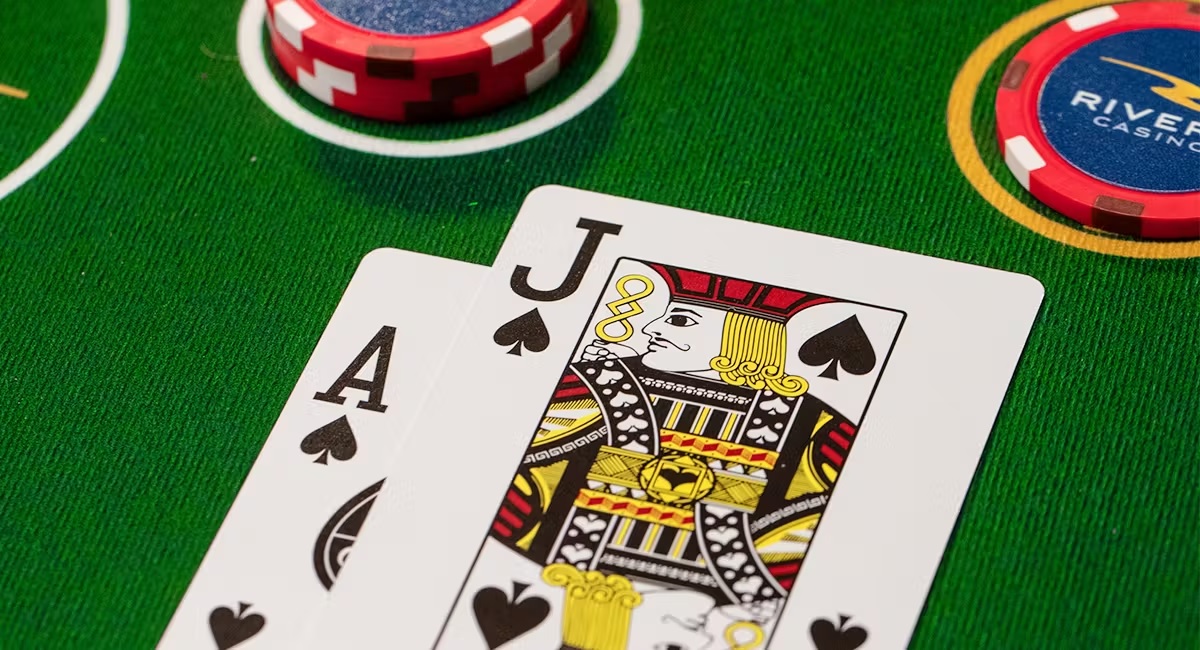
The origins of blackjack trace back to 17th-century France, where a game called “Vingt-et-Un,” meaning twenty-one, entertained aristocrats in grand parlours. The French brought it to North America, where it found a new home in saloons and gambling halls. In its early American form, casinos offered bonus payouts to entice players—a ten-to-one payout if a player’s hand contained the ace of spades and a black jack (the jack of spades or clubs). Though the bonus faded over time, the name stuck: blackjack.
Over the centuries, blackjack’s blend of accessible rules and genuine strategy cemented its place as a casino staple. Today, it is played in glamorous Monte Carlo salons, bustling Las Vegas resorts, and, increasingly, on smartphones and laptops wherever people crave a brief battle against the dealer and the deck.
How the Game Works: Simple Yet Sophisticated
Blackjack’s beauty lies in its simplicity. Each player competes against the dealer to get a hand as close as possible to twenty-one without going over. Face cards count as ten, numbered cards hold their face value, and aces can be either one or eleven, depending on what best serves the hand.
A Standard Round of Blackjack:
-
Players place their bets.
-
The dealer gives each player two cards and takes two for themselves, usually leaving one dealer card face up.
-
Players choose to “hit” (take another card) or “stand” (keep their total). Options like “double down” (double the bet for one more card) or “split” (divide a pair into two separate hands) add layers of strategy.
-
The dealer then reveals their hidden card and must hit until reaching at least seventeen.
-
The hand closest to twenty-one without busting wins.
The goal may sound straightforward, but within these simple rules lies an ocean of possibility, risk, and decision-making.
The Role of Skill: Why Blackjack Isn’t Just Luck
Unlike games where chance reigns supreme, blackjack invites players to shape outcomes with their choices. By applying basic strategy—an established mathematical guide for the optimal move in any situation—players can dramatically reduce the house edge, sometimes to under one percent.
Key Blackjack Strategies Include:
-
Basic Strategy Charts: These provide exact instructions on when to hit, stand, double, or split.
-
Card Counting: Made famous by MIT students and pop culture, this method tracks high and low cards remaining in the deck to tilt odds slightly in the player’s favour.
-
Betting Systems: Many players adopt betting progressions to manage bankrolls, though these do not affect the cards themselves.
While casinos frown upon card counting, it remains legal in most jurisdictions, provided players do not use external devices or collude. Casinos may, however, ask suspected counters to leave or ban them from blackjack tables entirely.
Why Blackjack Endures: Psychology and Appeal
Much of blackjack’s appeal lies in the illusion of control. Players feel engaged and active in every round. The dealer, meanwhile, operates under strict rules, making the game seem more beatable than others where the house sets odds arbitrarily.
There is also a social dimension—blackjack tables are famously lively places, with strangers cheering each other’s wins and commiserating over bad beats. The quick pace keeps energy high, yet the stakes can be as low or as extravagant as the player desires.
Blackjack in the Digital Age: From Tables to Touchscreens
In the 21st century, blackjack has embraced the digital frontier. Online casinos offer every variant imaginable, from classic Atlantic City blackjack to European versions with subtle rule tweaks. Many platforms now feature live dealer blackjack, streaming real-time action with human dealers to replicate the communal feel of a physical table.
Benefits of Playing Online:
-
Convenience: Play anywhere, anytime.
-
Low Stakes: Beginners can practice with micro-bets.
-
Variants: Games with side bets, bonus payouts, or multi-hand options.
-
Strategy Tools: Some sites offer built-in charts for new players learning the ropes.
Still, purists argue that nothing matches the tension of a real-life table, the rustle of shuffled cards, or the moment of suspense as the dealer slowly reveals their hand.
Playing Responsibly: Knowing When to Walk Away
As with any casino game, blackjack can become problematic without discipline. The very thrill of beating the dealer can tempt players to overstep their limits.
Tips for Responsible Blackjack Play:
-
Set a Budget: Decide beforehand how much to bet and stick to it.
-
Stick to Strategy: Avoid reckless “hunches” that defy the math.
-
Take Breaks: Clear your mind to avoid tilt after tough losses.
-
Never Chase Losses: Accept that luck ebbs and flows—walk away when the game stops being fun.
Conclusion: A Game for the Ages
Blackjack’s enduring charm lies in its perfect balance of simplicity, chance, and skill. It welcomes beginners yet rewards those who study its subtleties. The rules may be easy to grasp, but the art of playing well is a lifelong pursuit.
From smoky backroom tables in the Jazz Age to polished live streams watched by players around the globe, blackjack remains a testament to our fascination with the fine line between luck and logic. For as long as there are decks of cards and players willing to test their nerve against the dealer, the timeless call of twenty-one will never fade.