

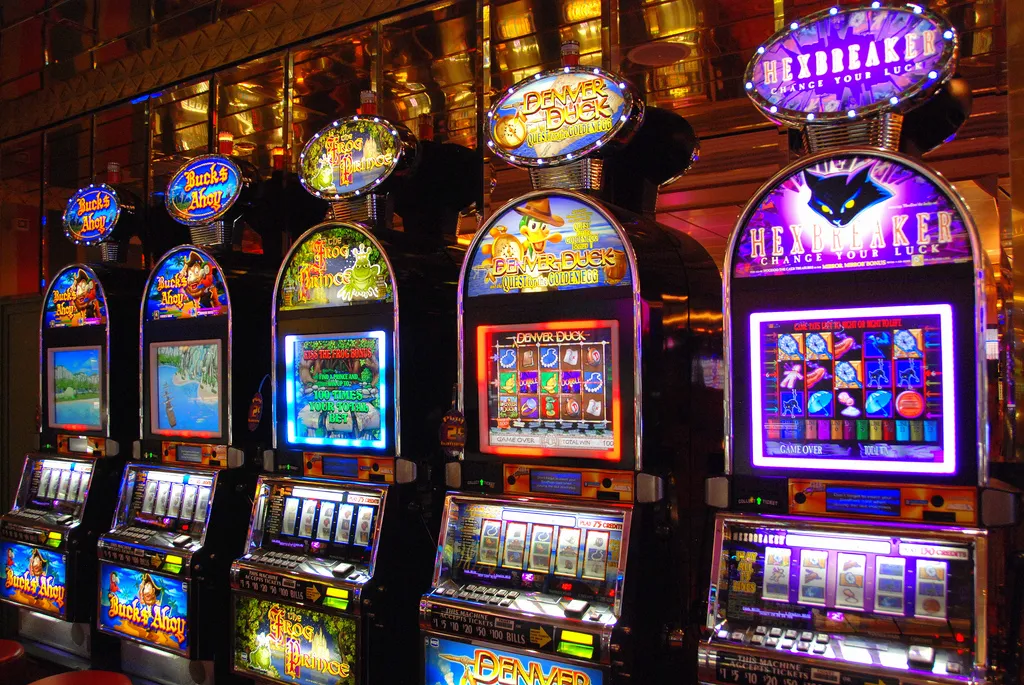
Introduction: A Game of Chance, A World of Intrigue
Slot machines, affectionately known as “one-armed bandits,” have long held a place in the pantheon of casino games. Whether nestled in the neon corners of a bustling Las Vegas floor or flashing enticing symbols on a smartphone screen, slots offer a unique combination of simplicity, suspense, and the tantalizing promise of instant wealth. What began as a mechanical novelty in the late 19th century has transformed into a sophisticated, multi-billion-dollar industry, captivating players across generations and geographies.
The magic of slot machines lies in their universal accessibility—requiring no skill, strategy, or steep learning curve—making them as welcoming to newcomers as they are engaging for seasoned players. Yet, beneath the surface of spinning reels lies a complex tapestry of mathematics, psychology, and technology.
The Birth of the Slot Machine: From Liberty Bell to Digital Domination
The very first slot machine emerged in San Francisco in 1895, crafted by a mechanic named Charles Fey. His creation, the Liberty Bell, featured three reels and five symbols—horseshoes, diamonds, spades, hearts, and the eponymous bell. Landing three Liberty Bells in a row would award the top prize of fifty cents, a princely sum at the time.
This simple contraption laid the foundation for the modern slot, marrying randomness with reward in a way that tapped directly into human instincts. It didn’t take long for these machines to proliferate, evolving from barroom novelties into mainstays of casinos worldwide.
The Mechanics Behind the Magic
Though today’s slot machines have largely moved into the realm of digital software, their core mechanisms still rely on the principles of chance and random number generation.
Key elements of slot mechanics include:
-
Random Number Generators (RNGs): Every modern slot machine uses a random number generator to ensure fairness and unpredictability. With each spin, the RNG selects a combination of symbols, independent of previous results.
-
Paylines and Reels: Traditional slots featured three reels and a single payline, but today’s video slots may offer five or more reels and hundreds of potential paylines, drastically increasing both complexity and potential winnings.
-
Volatility and RTP (Return to Player): Slots vary in volatility—some offer frequent but small wins (low volatility), while others provide larger payouts with less frequency (high volatility). RTP, expressed as a percentage, indicates how much a machine pays back over time. A slot with an RTP of 96% returns $96 for every $100 wagered in the long run.
From Mechanical to Multimedia: The Digital Transformation
The migration of slots from mechanical devices to digital platforms has been nothing short of revolutionary. As internet gaming exploded in the early 2000s, online casinos began offering digital slots with dazzling graphics, immersive sound design, and interactive features.
This technological leap allowed for unprecedented creativity. Today’s video slots often draw from popular culture—featuring movie franchises, TV shows, and mythological themes—with intricate bonus rounds and narrative elements that rival those of video games.
Major innovations include:
-
Progressive Jackpots: These pooled jackpots increase incrementally with each spin across a network of machines or online games. Titles like Mega Moolah and Hall of Gods have turned everyday players into overnight millionaires.
-
3D and VR Slots: Developers have begun experimenting with three-dimensional visuals and virtual reality environments, transforming the traditional slot experience into a fully immersive adventure.
-
Mobile Optimization: With smartphones now the primary access point for many gamblers, slot developers prioritize mobile compatibility, ensuring games run seamlessly on smaller screens without sacrificing quality.
The Psychology of the Spin: Why We Play
Slot machines masterfully engage players through psychological cues. Their appeal goes far beyond the prospect of monetary gain, tapping into behavioral triggers and emotional responses that keep players spinning.
Factors influencing player behavior:
-
Instant Gratification: Slots deliver immediate feedback, creating a loop of anticipation and reward that is both addictive and pleasurable.
-
Near Misses: Seeing two jackpot symbols and a third just shy of the payline activates the brain’s reward centers almost as strongly as a win, encouraging continued play.
-
Sensory Stimuli: Bright lights, rhythmic music, and satisfying sound effects create a multi-sensory experience designed to heighten engagement and blur the passage of time.
These features are not accidental but are the product of years of behavioral research and design optimization. Understanding this dynamic is key for players who wish to enjoy slots responsibly.
Responsible Play: Knowing When to Walk Away
While slot machines offer entertainment and the occasional windfall, they can also lead to problematic gambling behavior if left unchecked. Operators and regulators now emphasize responsible gaming, offering tools and resources to help players maintain control.
Best practices for responsible slot play:
-
Set time and budget limits before playing
-
Avoid chasing losses or trying to “win back” money
-
Use casino tools to track spending and self-exclude if necessary
-
Remember that slot outcomes are random—there are no “hot” machines or guaranteed wins
Being informed and self-aware allows players to enjoy the thrill of the game without falling into its pitfalls.
The Future of Slots: Innovation Meets Tradition
The evolution of slot machines is far from over. As artificial intelligence, blockchain technology, and gamification continue to reshape digital entertainment, slot games are poised to become even more dynamic, personalized, and interactive.
We may soon see slots that adapt in real-time to player behavior, deliver story-driven narratives with branching outcomes, or utilize cryptocurrency for wagers and payouts. Yet, for all their future-facing potential, the enduring appeal of slots remains rooted in something timeless—the human fascination with chance.
Conclusion: A Spin Through Culture and Time
From the clunky pull-lever machines of yesteryear to today’s high-tech digital slots, this singular game of chance has proven remarkably adaptable, evolving with every wave of technology while maintaining its core allure. Slots are more than just a casino staple; they are a cultural phenomenon, blending entertainment, suspense, and the elusive dream of hitting it big.
Whether you’re a casual player spinning for fun or a seasoned gambler chasing a jackpot, the world of slots offers a rich, colorful tapestry of experiences. Like the reels themselves, their story keeps spinning—with new symbols, new stories, and new chances at fortune.